How to Hire a Plumber: A Stress-Free Guide for Homeowners
Finding the Right Plumber Shouldn't Feel Like an Emergency
Hiring a plumber shouldn't feel overwhelming. Whether you're dealing with a burst pipe at 2 AM or planning a bathroom remodel, finding the right professional makes all the difference. In this guide, we'll walk you through everything you need to know—from spotting red flags to asking the right questions—so you can hire with confidence.

At a Glance: Plumbing Hiring Essentials
| 💰 Typical Cost | ⏱️ Timeline | 📋 License Required | 🚩 Red Flags |
|---|---|---|---|
| $175-$3,500+ | Same-day to 1 week | Yes (most states) | 6 to watch for |
Note: Costs vary widely based on job complexity. Emergency calls and major installations cost more than routine repairs. See pricing section below for details.
Why Choosing the Right Plumber Is Critical
A bad plumbing job can lead to water damage, mold growth, and thousands of dollars in repairs. But it's not just about avoiding problems—hiring the right plumber means your fixtures last longer, your water bills stay reasonable, and you have peace of mind that everything is up to code. The small amount of time you invest upfront in vetting plumbers will save you major headaches (and expenses) down the road.
Before You Start – Your Pre-Search Checklist
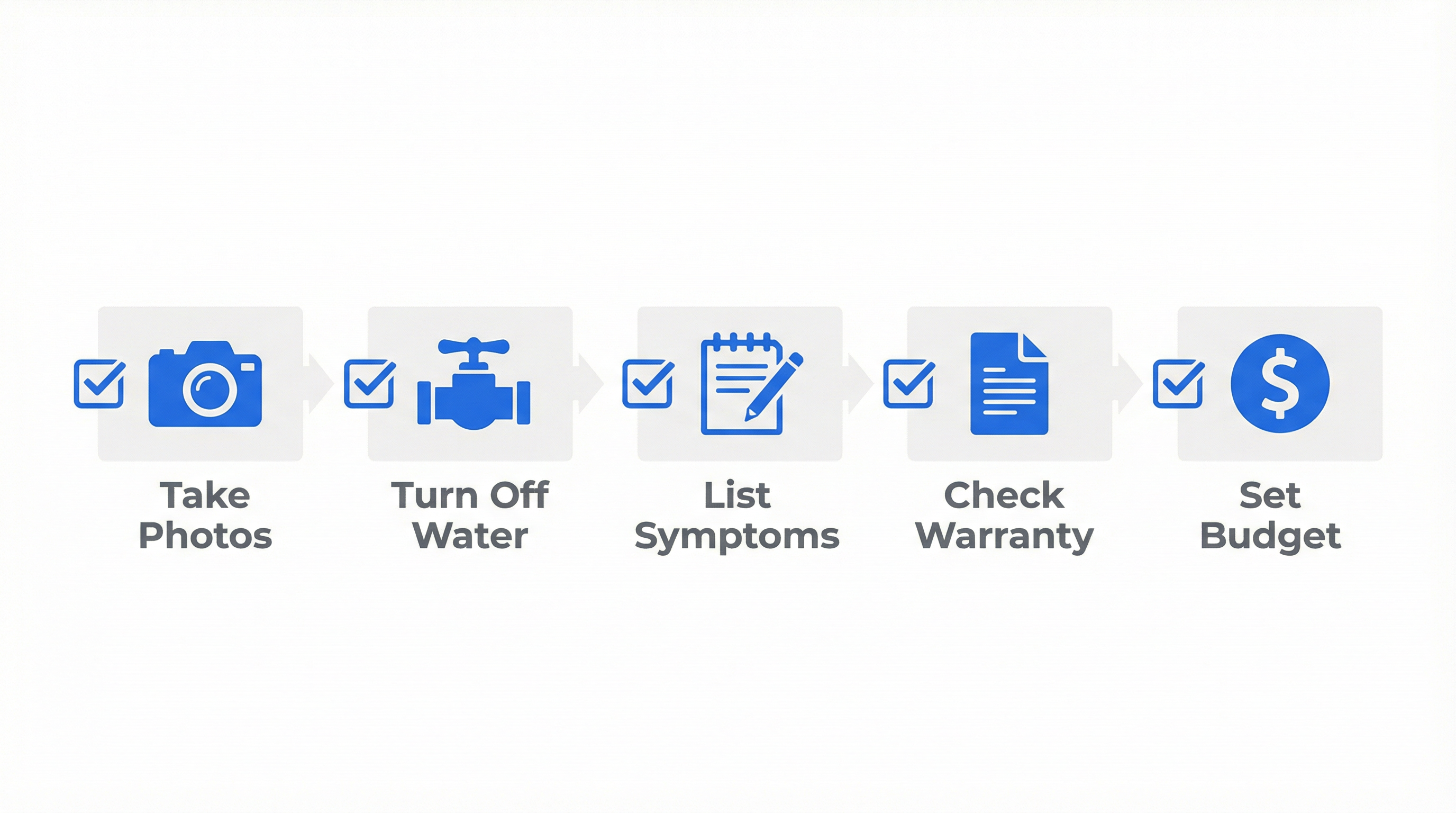
Before you start reaching out to plumbers, take a few minutes to:
-
Take photos or videos of the problem area
Why this matters: Visual evidence helps plumbers diagnose issues remotely and give more accurate quotes. -
Turn off the water if there's active leaking
Why this matters: Prevents further damage while you wait for help. Know where your main shut-off valve is! -
List all related symptoms
Why this matters: That slow drain might be connected to the gurgling toilet—plumbers need the full picture. -
Check if your issue is covered by warranty
Why this matters: Recent plumbing work or appliance warranties might cover repairs for free. -
Set your budget range
Why this matters: Helps you filter out quotes that are way off and focus on realistic options.
Step-by-Step: How to Find Qualified Plumbers
Step 1: Start with Trusted Referrals
The best way to find a great plumber is through word-of-mouth from people you trust:
- Ask friends, family, and neighbors who've recently had plumbing work done
- Check local community groups on Facebook or Nextdoor
- Ask your home inspector or real estate agent for recommendations
What to ask when you get a referral:
- "Would you hire them again?"
- "Did they show up on time and clean up after themselves?"
- "Were there any surprise charges?"
Step 2: Use Online Directories
Online platforms make it easy to:
- See reviews from multiple customers (not just one friend's opinion)
- Compare plumbers quickly without endless phone calls
- Check specialties (residential vs. commercial, emergency services, etc.)
🔍 Ready to start your search? Browse qualified plumbing professionals in your area → [Link to /browse?category=Plumber]
Step 3: Verify Credentials Before First Contact
Before even reaching out, do a quick verification:
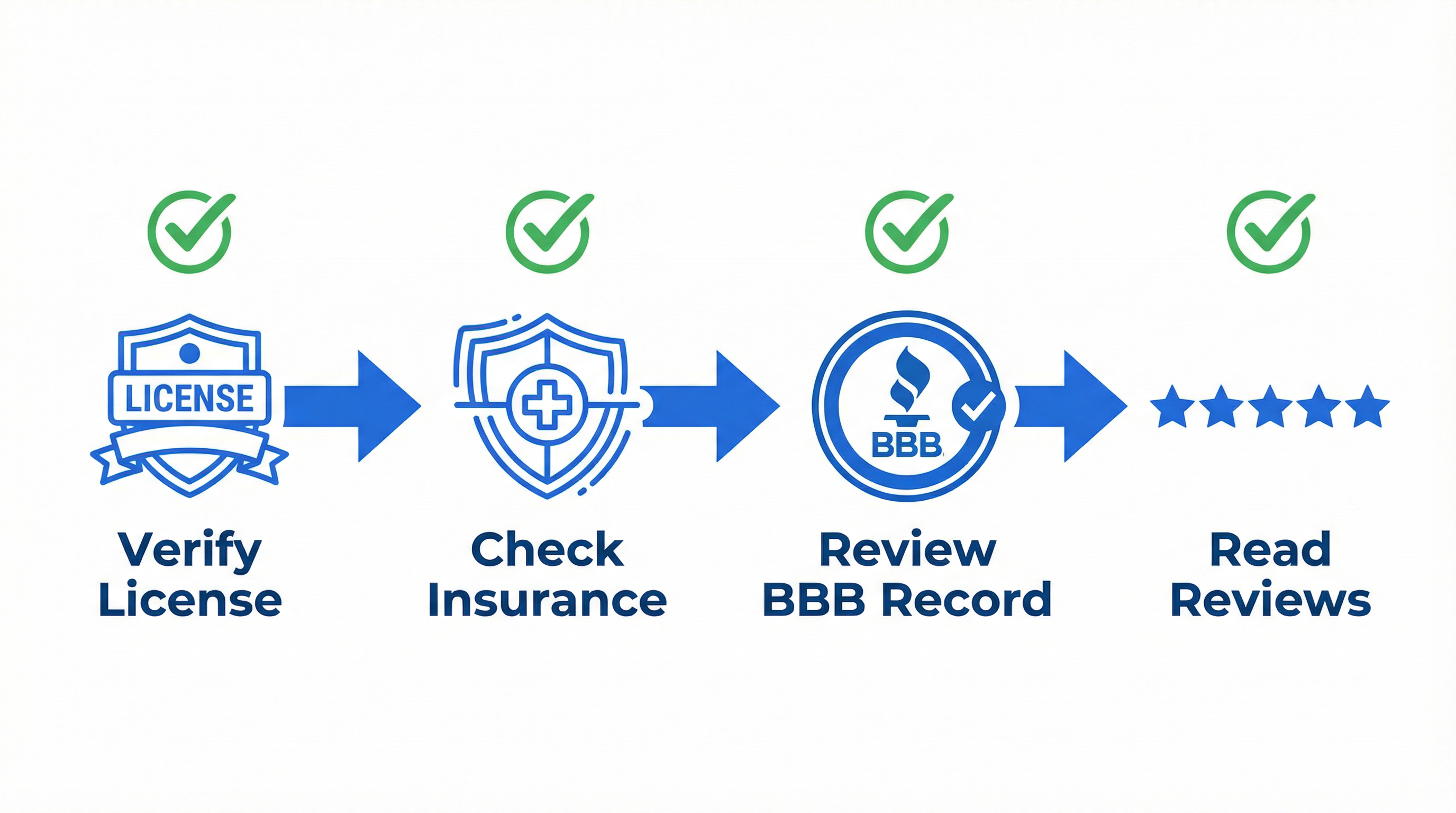
- License check: Most states require plumbers to be licensed. Look up their license number on your state's contractor licensing board website.
- Insurance verification: A legitimate plumber carries both liability insurance (protects your property) and workers' comp (protects their employees). Ask for their insurance company and policy number, then call to verify it's active.
- BBB record: Check for complaints at BBB.org. A few complaints aren't necessarily a deal-breaker, but look at how they responded.
- Online reviews: Read Google and Yelp reviews. Watch for patterns (always late, poor communication) rather than isolated incidents.
🚩 6 Red Flags to Watch Out For
Be cautious if a plumber:
-
🚩 Can't provide proof of licensing or insurance
Why this matters: If something goes wrong—injury, property damage, code violations—YOU could be liable.
What to do: Walk away immediately. No exceptions, even if they're significantly cheaper. -
🚩 Only accepts cash and offers a "discount" for immediate payment
Why this matters: Classic scam. Once they have your money, you have zero recourse if the work is bad or incomplete.
What to do: Use checks or credit cards which offer payment protection and create a paper trail. -
🚩 Gives vague estimates like "around $500" without seeing the job
Why this matters: Accurate quotes require inspection. Vague estimates often balloon into much higher final bills.
What to do: Insist on an in-person evaluation before getting a written quote. -
🚩 Pressures you to make an immediate decision or "act now"
Why this matters: Legitimate plumbers understand that hiring decisions take time. High-pressure tactics suggest they're hiding something.
What to do: Take your time. A good plumber will still be available tomorrow. -
🚩 Suggests skipping permits "to save money"
Why this matters: Unpermitted work can affect your home insurance, resale value, and may need to be torn out and redone if discovered.
What to do: Always get required permits. Ask who will handle pulling them (usually the plumber). -
🚩 Won't provide references from recent jobs
Why this matters: If they've done good work recently, they should be happy to share references. Reluctance is a warning sign.
What to do: Ask for 2-3 references from jobs completed in the last 6 months, then actually call them.
The Essential Questions: What to Ask Every Plumber
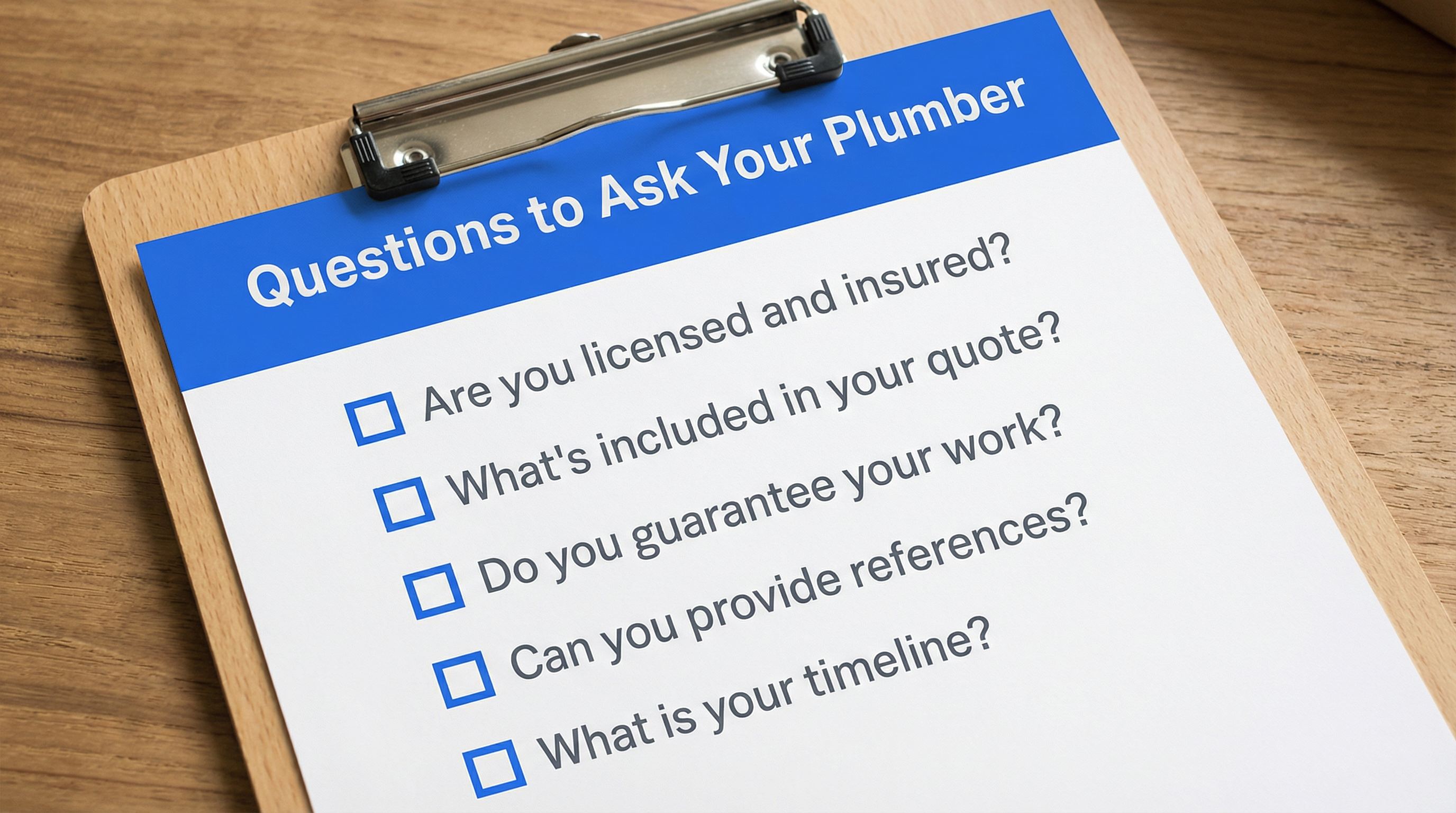
When you're meeting with plumbers for quotes, don't just focus on price. These questions will help you evaluate their professionalism, experience, and whether they're the right fit for your project.
About Their Business
- How long have you been in business?
- Are you licensed and insured? Can I see proof?
- What's your permanent business address and phone number?
- Can you provide references from recent plumbing jobs?
- Are you a member of any professional associations? (e.g., PHCC - Plumbing-Heating-Cooling Contractors)
About This Specific Job
- Have you handled this type of plumbing issue before?
- What do you think is causing the problem?
- What's your recommended solution? Are there alternatives?
- Will this require opening walls or accessing pipes in other areas?
- Do you foresee any complications?
- What's your estimated timeline from start to finish?
- Will you be doing the work yourself, or will you use helpers?
About Pricing & Process
- Can you provide a detailed written estimate that breaks down labor and materials?
- What's included in this price? What's not included?
- What's your payment schedule? (Avoid paying more than 25-30% upfront for plumbing jobs)
- Do you offer a warranty or guarantee on your work?
- What happens if you discover additional problems once you start?
- Will you pull the necessary permits, or do I need to?
- Do you carry parts in your truck, or will you need to order them?
About Communication & Availability
- What's the best way to reach you if I have questions?
- When can you start? How long will it take?
- Do you have other jobs going on at the same time?
- What time will you arrive and leave each day?
- How will you protect my floors and belongings?
💡 Pro Tip: Pay attention to how they answer. Do they explain things in plain English, or do they talk over your head with jargon? Are they patient with your questions, or do they seem rushed? These soft skills matter as much as technical expertise.
Plumbing Cost Guide: What You Should Expect to Pay
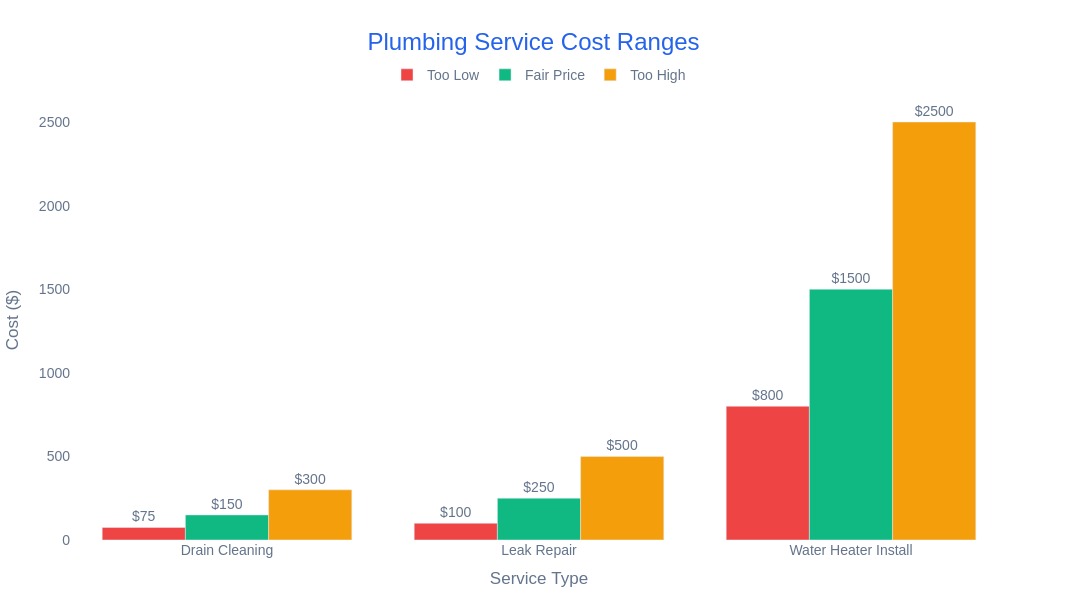
Plumbing costs vary widely depending on the complexity of the job, parts needed, and whether it's an emergency. Here's a general breakdown:
Typical Price Ranges
| Project Type | Low End | Average | High End | Timeline |
|---|---|---|---|---|
| Small repair (leaky faucet, running toilet) | $125 | $200 | $350 | 1-2 hours |
| Medium job (replace sink, install dishwasher) | $300 | $600 | $1,200 | Half day |
| Large project (bathroom remodel, water heater) | $1,500 | $3,500 | $8,000+ | 2-7 days |
| Emergency call (burst pipe, sewer backup) | $250 | $500 | $1,500 | Immediate-Same day |
Note: Prices are national averages and may vary by region. Urban areas typically cost 15-30% more than rural.
What Affects the Cost?
Job Complexity
A leaky faucet is a 30-minute fix. A slab leak requires jackhammering concrete, locating the leak, repairing pipes, and patching. Complexity = cost. Always get quotes that specify exactly what's included.
Parts and Materials
A basic sink costs $100. A designer vessel sink costs $800. Plumbers typically mark up materials 10-30%, which is normal. Some offer to let you buy your own fixtures (confirm in writing if they'll still warranty installation).
Labor Rates
Most plumbers charge $75-$150/hour depending on location and experience. Master plumbers cost more than apprentices, but they work faster and make fewer mistakes. Emergency after-hours rates are often 1.5-2x normal rates.
Access and Difficulty
Pipes hidden behind finished walls, in crawl spaces, or under concrete slabs take longer to access and repair. Factor in extra time (and cost) if your plumber needs to cut through drywall or dig trenches.
Warning Signs in Pricing
Too Low: If a quote is 40%+ below others, it could mean:
- They're cutting corners on quality or code compliance
- They're unlicensed or uninsured (huge risk)
- They're new and desperate for work (lack experience)
Too High: If a quote is 60%+ above others, it could mean:
- They don't actually want the job
- They're a big-name company charging a premium (sometimes worth it, often not)
- You should get 2-3 more quotes for comparison
Just Right: Most quotes for the same plumbing job should be within 20-30% of each other. If you have one major outlier, dig deeper to understand why.
How to Choose: Your Decision-Making Framework
The 5-Point Evaluation System
Rate each plumber on these 5 factors (1-5 scale, 5 = excellent):
| Plumber Name | Credentials | Experience | Communication | Price & Value | Gut Feeling | Total Score |
|---|---|---|---|---|---|---|
| Plumber A | ___ | ___ | ___ | ___ | ___ | ___ / 25 |
| Plumber B | ___ | ___ | ___ | ___ | ___ | ___ / 25 |
| Plumber C | ___ | ___ | ___ | ___ | ___ | ___ / 25 |
What Each Factor Means
Credentials (Most Important)
- 5 = Licensed, insured, bonded, excellent reviews, BBB accredited
- 3 = Licensed and insured but fewer reviews or newer business
- 1 = Missing license or insurance (automatic disqualifier)
Experience & References
- 5 = 10+ years, specializes in your type of job, glowing references
- 3 = 3-5 years, decent references, has done similar work
- 1 = Less than 1 year or can't provide verifiable references
Communication & Professionalism
- 5 = Responds quickly, explains clearly, patient, on time for appointments
- 3 = Adequate communication, occasionally slow to respond
- 1 = Hard to reach, dismissive of questions, showed up late
Price & Value
- 5 = Competitive price with detailed, itemized quote
- 3 = Fair price but vague estimate or missing details
- 1 = Suspiciously low or unjustifiably high without explanation
Gut Feeling
- 5 = Completely comfortable, trustworthy vibe, would let them in your home alone
- 3 = Neutral, no major red flags but no strong connection
- 1 = Something feels off (trust your instincts!)
💡 Pro Tip: Don't automatically choose the lowest price. A score of 20+ out of 25 indicates a solid choice. If multiple plumbers score similarly, go with the one you felt best about during your conversation. You'll be working closely with this person, so rapport matters.
What to Expect: During the Plumbing Project
Before Work Begins
-
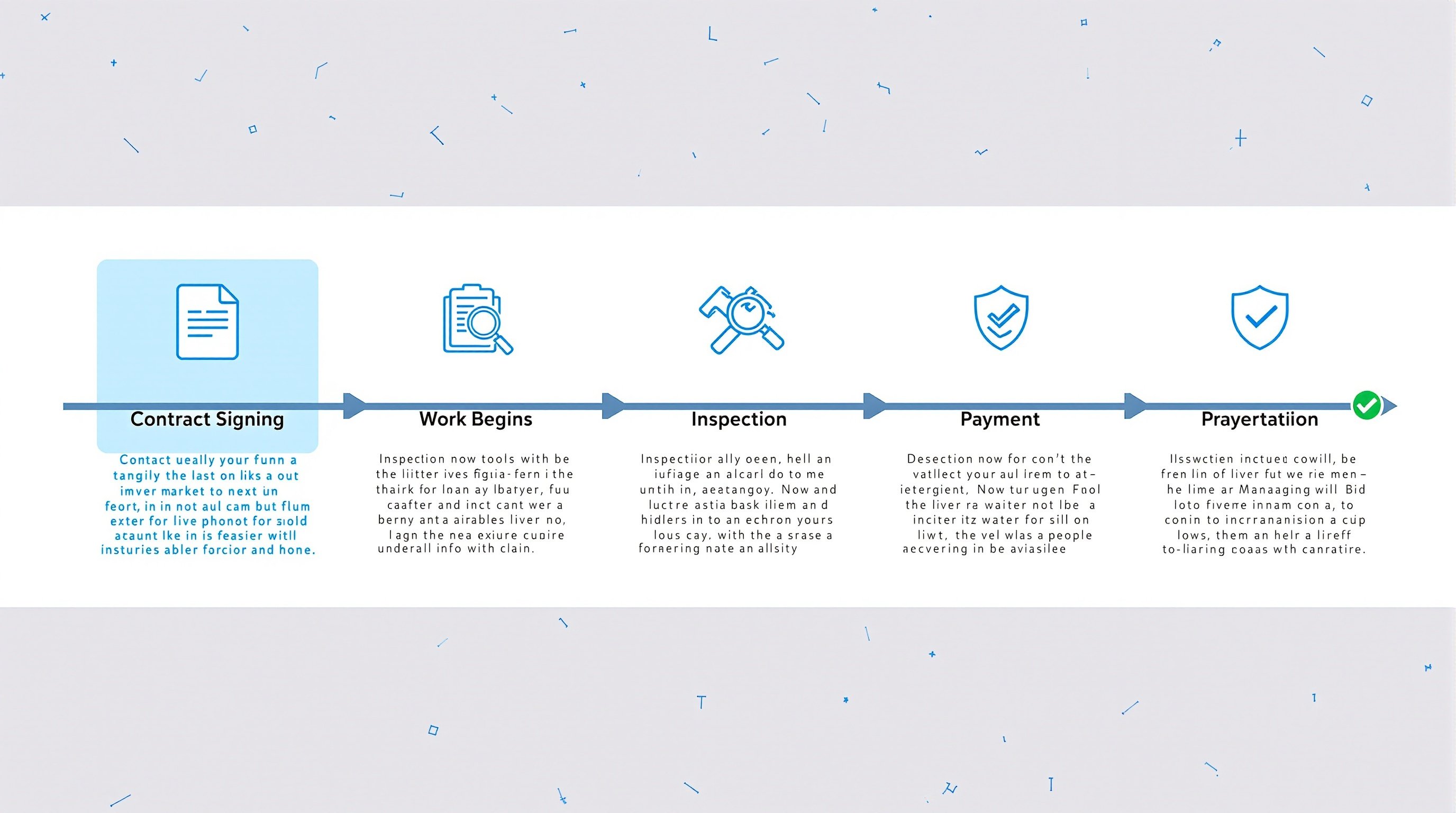
Get everything in writing
A proper contract should include:- Detailed description of work to be performed
- Start and estimated completion dates
- Total cost broken down by labor, materials, and permits
- Payment schedule (never pay the full amount upfront—30% max)
- Warranty terms (many reputable plumbers offer 1-2 year workmanship warranties)
- Termination clause (how either party can end the agreement)
-
Confirm logistics
- What time will they arrive? How many days will they need access?
- Where can they park (important for trucks with equipment)?
- Can they use your bathroom and electrical outlets?
- How will they protect floors and furniture from water damage?
-
Prepare your home
- Clear the work area of personal items
- Protect nearby furniture with tarps if needed
- Make sure they can access water shut-off valves
- Warn family members about potential water outages
During the Project
✅ DO:
- Check in once or twice a day, but don't hover
- Ask questions if you notice something unexpected
- Take photos of the work in progress (helpful if disputes arise later)
- Address concerns immediately—it's easier to fix mid-project
❌ DON'T:
- Make frequent changes to the scope (expect extra charges)
- Pay the final balance until you've tested everything
- Be afraid to speak up if something doesn't look right
After Completion
Before you pay the final balance:
- Test all fixtures (flush toilets, run faucets, check for leaks)
- Run the garbage disposal, dishwasher, etc.
- Check that shut-off valves work properly
- Confirm they've cleaned up and repaired any walls/floors they opened
- Get copies of warranties for parts and labor
- Make sure permits (if required) were pulled and inspections passed
- Request an invoice with all work itemized
💡 Pro Tip: Run water for 10-15 minutes after the plumber leaves to test for slow leaks. Small drips can take time to show up.
What to Do If Something Goes Wrong
Resolving Issues: Your Action Plan
Step 1: Address Issues Immediately
If you notice:
- Work that doesn't match the contract
- New leaks or damage
- Fixtures that don't work properly
- Unprofessional behavior
Bring it up right away. Most problems stem from miscommunication and can be resolved on the spot.
Step 2: Document Everything
- Take photos and videos of the problem
- Save all text messages and emails
- Keep copies of contracts, estimates, and receipts
- Write down dates, times, and details of conversations
Step 3: Follow the Escalation Path
-
Talk to the plumber directly (90% of issues resolve here)
- Explain the problem calmly and clearly
- Give them a chance to make it right
- Set a deadline for resolution
-
Send a formal written complaint (email or certified letter)
- Describe the issue
- Reference the contract terms
- State your desired resolution
- Give them 7-10 days to respond
-
Contact your state licensing board
- File a formal complaint if the plumber is unresponsive
- The board can investigate and potentially suspend their license
-
File a complaint with the BBB
- Impacts their rating and future business
- Provides public record of the dispute
-
Consider small claims court for disputes under $5,000-10,000 (varies by state)
- You don't need a lawyer
- Filing fee is usually $30-100
- Bring all documentation
-
Contact your homeowner's insurance if there's water damage or property destruction
- They may help mediate or cover damages
- Document everything with photos
Step 4: Learn from It
Even good plumbers occasionally make mistakes. If they:
- Respond professionally
- Take responsibility
- Fix the issue promptly and correctly
- Offer fair compensation for your inconvenience
...they may still be worth working with again. Everyone deserves a chance to make things right.
You're Ready to Hire with Confidence
Hiring a plumber doesn't have to be stressful. By following these steps—checking credentials, asking the right questions, and trusting your instincts—you'll find someone who does quality work at a fair price. Remember, the cheapest option isn't always the best, and taking an extra day to vet your candidates can save you months of headaches and thousands of dollars.
Ready to Find Your Plumber?
Browse trusted, reviewed plumbing professionals in your area. Compare credentials, read real customer reviews, and get connected with plumbers who are ready to help.
[Large Button: "Find Plumbers Near You" → Links to /browse?category=Plumber]
Frequently Asked Questions
Q: Do I really need a licensed plumber, or can I hire a handyman?
A: For simple tasks like replacing a faucet aerator or tightening a loose pipe, a handyman is fine. But for anything involving water supply lines, drain systems, or gas lines, hire a licensed plumber. Improper plumbing work can cause water damage, mold, and even carbon monoxide poisoning. It's not worth the risk.
Q: How much should I pay upfront?
A: For most plumbing jobs, 25-30% upfront is standard to cover materials. NEVER pay the full amount before work is complete. If a plumber demands 50%+ upfront, that's a red flag.
Q: What's the difference between a plumber and a master plumber?
A: A master plumber has years of experience (usually 5-7 years minimum) and has passed advanced exams. They can supervise other plumbers and pull permits for complex jobs. While they cost more per hour, they often work faster and make fewer mistakes, which can save you money in the long run.
Q: My plumber found additional problems—am I being scammed?
A: Not necessarily. Plumbing problems are often interconnected. For example, a slow drain might reveal a corroded pipe that needs replacing. Ask to see the problem yourself and get a detailed explanation. A reputable plumber will show you the issue, explain why it needs fixing, and give you options (repair vs. replace, timing, etc.). Get a revised written quote before they proceed with additional work.
Q: Should I get multiple quotes?
A: Yes! Get at least 3 quotes for jobs over $500. This helps you understand the fair market rate and gives you negotiating power. But don't automatically choose the lowest—quality matters more than saving $50.
Q: How can I tell if a review is fake?
A: Watch for: vague reviews with no details ("Great plumber!"), reviews posted all on the same day, overly formal language that sounds like an ad, or no negative reviews at all (everyone occasionally has a less-than-perfect experience). Mix of 4-5 star reviews with specific details is most trustworthy.
Q: What if I have an emergency at 2 AM?
A: Keep the number of a 24/7 emergency plumber saved in your phone BEFORE you need it. Emergency rates are typically 1.5-2x normal rates, but preventing water damage is worth it. In a true emergency (burst pipe, sewage backup), turn off the water main immediately, then call.
Q: Can I negotiate the price?
A: On large projects ($2,000+), there's often room for negotiation—not on hourly rates, but on materials choices or project scope. For small jobs, prices are usually firm. Never negotiate by asking for unlicensed work or skipping permits—that puts you both at risk.
Additional Resources
More Helpful Guides
- HVAC Services Guide - For water heater and heating system help
External Resources
- Better Business Bureau - Check complaints and verify business credentials
- HomeAdvisor Cost Guides - Additional pricing research
Word Count: 2,850 words
Reading Time: 11 minutes
Last Updated: December 27, 2024
Primary Keyword: "how to hire a plumber"
Secondary Keywords: "plumbing cost guide", "find plumber near me", "plumber red flags", "licensed plumber"