How to Hire a Landscaper: The Complete Homeowner's Guide
Why Does Hiring the Right Landscaper Matter So Much?
Your yard is the first thing people see—it sets the tone for your entire home. Great landscaping boosts curb appeal, increases property value by 10–15%, and creates outdoor living spaces your family actually enjoys. But hire the wrong landscaper? You'll get dead plants, poor drainage that floods your foundation, and a yard that looks worse than when you started.
This guide covers everything—from understanding costs to spotting red flags—so you hire with confidence and get a yard you love.
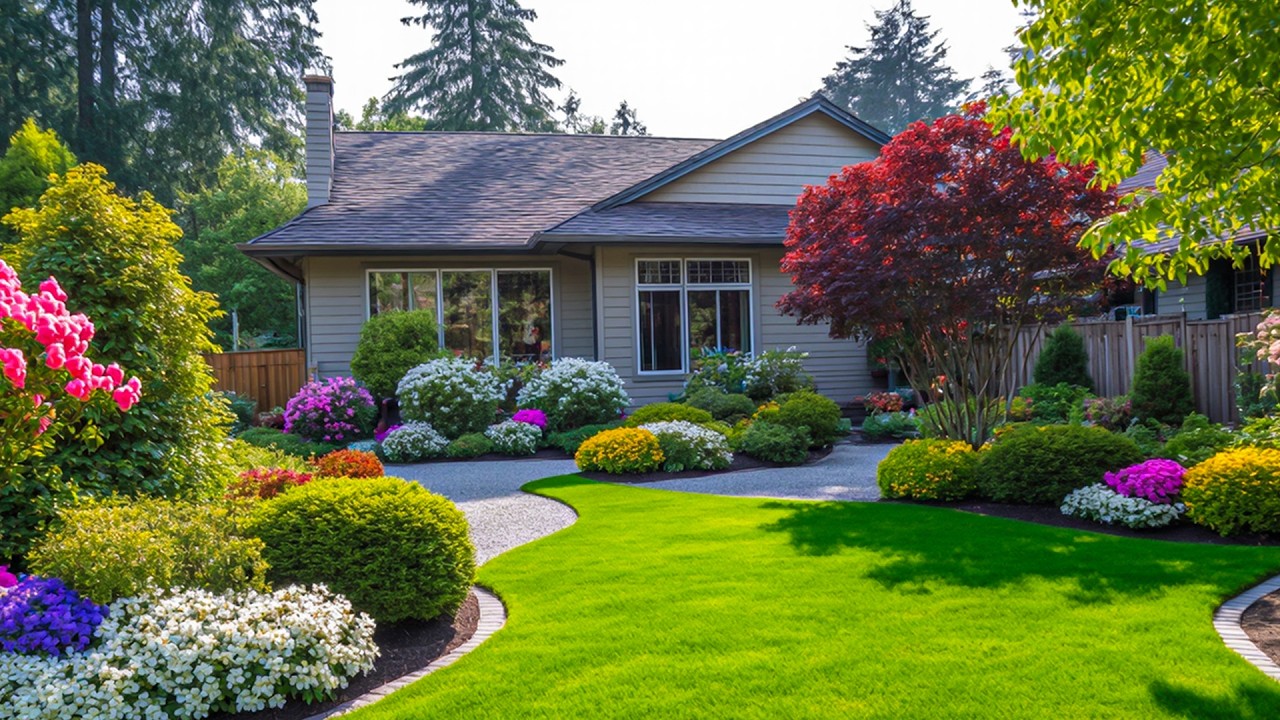
At a Glance: Landscaping Hiring Essentials
| 💰 Typical Cost | ⏱️ Timeline | 📋 License Required | 🚩 Red Flags |
|---|---|---|---|
| $500–$15,000+ | 1–14 days | Varies by state | 7 to watch for |
Note: Costs vary significantly by project scope, plant selection, hardscape materials, and your region. See the full pricing breakdown below.
How Much Does Landscaping Cost?
This is the first question every homeowner asks, and the honest answer is: it depends heavily on what you need.
Lawn & Garden Services
| Project | Average Cost | What's Included |
|---|---|---|
| Weekly lawn mowing | $30–$80/visit | Mow, edge, blow |
| Seasonal cleanup (spring/fall) | $200–$600 | Leaf removal, bed prep, pruning |
| Mulching (full property) | $200–$500 | Delivery, spreading, edging |
| Flower bed installation | $300–$1,500 | Design, soil prep, plants, mulch |
| Sod installation (1,000 sq ft) | $800–$2,000 | Soil prep, sod, watering setup |
Hardscaping & Major Projects
| Project | Average Cost | What's Included |
|---|---|---|
| Patio installation | $2,000–$6,000 | Excavation, base, pavers/stone |
| Retaining wall | $1,500–$5,000 | Engineering, materials, drainage |
| Walkway/path | $800–$3,000 | Excavation, base, pavers |
| Outdoor lighting | $500–$3,000 | Design, fixtures, wiring |
| Full landscape design & install | $5,000–$15,000+ | Plans, plants, hardscape, irrigation |
✓ Pro Tip: Get at least three written estimates. Be specific about what you want—a vague scope leads to wildly different quotes and unexpected add-on charges.
What Should I Consider Before Hiring a Landscaper?
Before you start calling companies, get clear on your project:
-
Define the scope: maintenance, design, or both Why this matters: A mowing crew and a landscape designer are very different businesses with different skills and pricing.
-
Know your property's sun exposure and soil type Why this matters: Plant selection depends on these factors. A good landscaper will ask; a great one will test your soil.
-
Identify drainage issues or problem areas Why this matters: Water management is critical. Poor grading can send water toward your foundation and cause thousands in damage.
-
Set a realistic budget Why this matters: Landscaping can range from $500 for a basic refresh to $30,000+ for a full property transformation. Know your range.
-
Check HOA restrictions Why this matters: Some HOAs regulate plant types, fence styles, hardscape materials, and even mulch color.

How Do I Find a Good Landscaper Near Me?
Step 1: Start with Trusted Referrals
- Ask neighbors whose yards look great—they're the best source
- Check community groups on Facebook or Nextdoor
- Ask your local garden center—they often know the best installers in the area
What to ask when you get a referral:
- Did the landscaper show up on time and communicate well?
- Did they clean up after themselves?
- How does the work look 6+ months later?
- Did they stay within budget?
Step 2: Browse Vetted Platforms
Skip the blind bidding sites where contractors pay for your contact info. Use community-driven platforms where real homeowners share their experiences.
Step 3: Check Credentials and Insurance
Before scheduling estimates, verify these essentials:
- Business license (required in most states)
- General liability insurance (minimum $500,000 coverage)
- Workers' compensation (protects you if a worker is injured on your property)
- Pesticide applicator license (required for chemical treatments in all states)
- Certifications (NALP, ICPI, or state nursery association membership are good signs)
⚠ Warning: If a landscaper can't show proof of insurance, walk away. An uninsured worker injured on your property could result in a lawsuit against you.
What Questions Should I Ask a Landscaper Before Hiring?
These questions separate a true professional from someone with a truck and a mower:
-
"Do you do the work yourself, or use subcontractors?" Why it matters: Subcontracted crews may have different quality standards than what you were promised.
-
"What's included in your estimate, and what's extra?" Why it matters: Soil amendments, plant delivery, debris removal, and irrigation can all be surprise add-ons.
-
"How do you handle plant warranties?" Why it matters: Reputable landscapers offer a 1-year warranty on plants. If something dies due to improper installation, they replace it.
-
"What's your plan for drainage?" Why it matters: Poor drainage is the #1 cause of landscape failure and foundation damage. A good landscaper addresses it proactively.
-
"Can I see photos of projects similar to mine?" Why it matters: A patio builder and a garden designer are different specialists. Make sure they've done your type of project.
-
"How long will the project take, and what's the payment schedule?" Why it matters: Establishes expectations and protects you from paying too much upfront.
-
"What maintenance will this require after installation?" Why it matters: Some designs look stunning but require weekly attention. A pro should design for your lifestyle.
What Are the Red Flags When Hiring a Landscaper?
Watch out for these warning signs:
🚩 No written estimate or contract — Professional landscapers provide detailed written proposals with line-item pricing.
🚩 Demands full payment upfront — Standard is 25–33% deposit, progress payments, and final payment upon completion.
🚩 No insurance or refuses to show proof — This is non-negotiable. You could be liable for injuries or property damage.
🚩 Can't name specific plant varieties — A vague plan like "some bushes and flowers" means no real design thought.
🚩 Ignores drainage and grading — Water management should be part of every landscape plan, not an afterthought.
🚩 Unrealistically low bid — If it's 40%+ below other quotes, they're cutting corners on plants, materials, or labor.
🚩 No references or portfolio — Experienced landscapers have before/after photos and clients happy to vouch for them.
⚠ Red Flag Alert: A landscaper who starts work without a signed contract or pushes you to "decide today" is often desperate for work for a reason.
Maintenance vs. Design vs. Build: What Type of Landscaper Do I Need?
Not all landscaping companies offer the same services:
| Specialty | Best For | What to Ask |
|---|---|---|
| Lawn maintenance | Mowing, edging, seasonal cleanup | Crew size, schedule consistency, equipment |
| Garden design | Planting plans, garden beds, color schemes | Design portfolio, plant knowledge, soil testing |
| Hardscape | Patios, walls, walkways, outdoor kitchens | ICPI certification, material options, drainage |
| Irrigation | Sprinkler systems, drip lines, smart controllers | Licensing, backflow prevention, zone design |
| Full-service landscape | Design, build, and maintain | All of the above, plus project management |
✓ Pro Tip: For large projects ($5,000+), consider hiring a landscape designer separately from the installation crew. A designer creates the plan; the installer brings it to life. This separation often leads to better results.
When Is the Best Time to Start a Landscaping Project?
Timing affects both cost and results:
| Season | Best For | Why |
|---|---|---|
| Early Spring (Mar–Apr) | Planting, mulching, cleanup | Cool temps help plants establish roots |
| Late Spring (May–Jun) | Sod, hardscape, irrigation | Ground is workable, warm days ahead |
| Fall (Sep–Oct) | Trees, shrubs, overseeding | Reduced heat stress, strong root growth |
| Winter (Nov–Feb) | Planning and design | Off-season discounts, spring-ready plans |
Factors that affect timeline:
- Weather delays (rain, extreme heat)
- Permit processing for hardscape
- Material availability (custom stone, specialty plants)
- Crew scheduling during peak season (April–June)
How Do I Maintain My Landscaping After Installation?
A great installation means nothing without proper maintenance:
First 90 Days (Critical Establishment Period)
- Water deeply and consistently — New plants need 1–2 inches per week
- Don't fertilize yet — Let roots establish first
- Watch for settling — Pavers and retaining walls may need minor adjustments
- Report plant failures early — Most warranties require notification within 30–60 days
Ongoing Maintenance
- Spring: Clean beds, apply pre-emergent, refresh mulch, tune up irrigation
- Summer: Deep watering, pest monitoring, deadheading flowers
- Fall: Aerate lawn, plant fall bulbs, winterize irrigation
- Winter: Prune dormant trees, plan next year's improvements
✓ Pro Tip: Ask your landscaper about a maintenance contract. Many offer discounted rates when you bundle installation with ongoing care.
Landscaping Contract Essentials: What Should Be Included?
Never start a project without a written contract. It should specify:
- ✅ Detailed scope of work with specific plants, materials, and quantities
- ✅ Site plan or design drawing
- ✅ Start date and estimated completion date
- ✅ Total cost with line-item breakdown
- ✅ Payment schedule (deposit, progress, final)
- ✅ Plant warranty terms (typically 1 year)
- ✅ Cleanup and debris removal responsibilities
- ✅ How change orders are handled and priced
- ✅ Insurance certificates
⚠ Warning: "Landscape front yard" is not an acceptable scope. The contract should list every plant species, hardscape material, and square footage specifically.
Ready to Find a Trusted Landscaper?
Now that you know what to look for, what to ask, and what to avoid, it's time to connect with vetted landscaping professionals in your area.
✓ Tip: Create a free list of your favorite landscapers to compare later and share with friends and neighbors who need recommendations.